user_id |
Publishing or retrieving data for a specific end user. |
Profiles and user playbooks are scoped to this user. Use your stable application user id. |
interactions |
Sending the actual content for one request. |
The payload examples live in Publishing Interactions; this page explains the request container around them. |
session_id |
Grouping related requests into one conversation, ticket, task, or experiment. |
Required for publishing. It gives extraction and evaluation the surrounding context and lets you delete the group later. |
source |
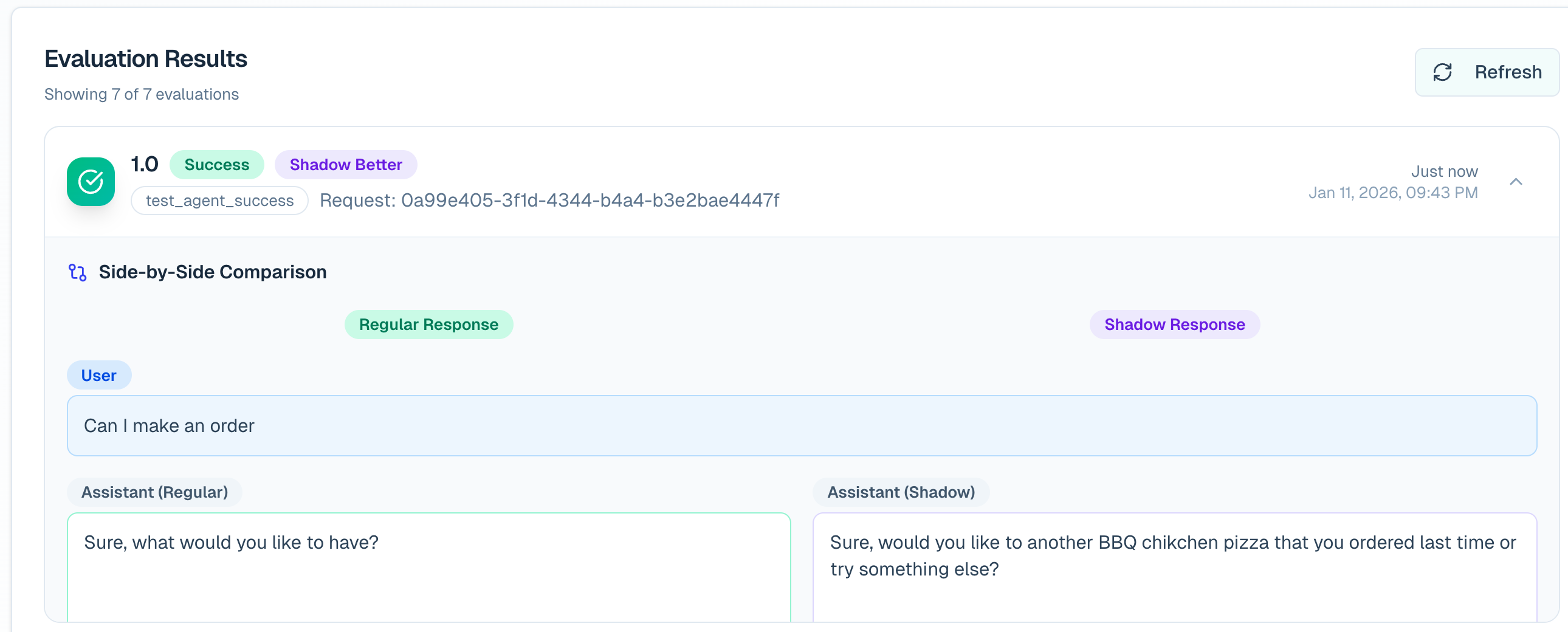
Distinguishing which producer or workflow emitted traffic, such as support-agent:v2, web-app, staging-eval, or shadow-test. |
Useful for audits, evaluation filters, and understanding which integration produced a request. |
agent_version |
Tracking the agent build, prompt version, or model configuration that produced the response. |
Helps compare behavior across deployments and debug regressions. |
wait_for_response |
You need confirmed extraction counts or deletion confirmation before continuing. |
False is faster for normal publish and cleanup paths. True waits for server-side processing and returns richer confirmation. |
skip_aggregation |
You want profiles/user playbooks extracted but do not want this publish to update agent playbook aggregation. |
Useful for controlled tests or specialized ingestion jobs. Leave it off for normal product traffic. |
force_extraction |
You are running a deliberate test and need extraction to run even if gates would normally skip it. |
Bypasses extraction gates. Use sparingly because it can increase LLM work. |
evaluation_only |
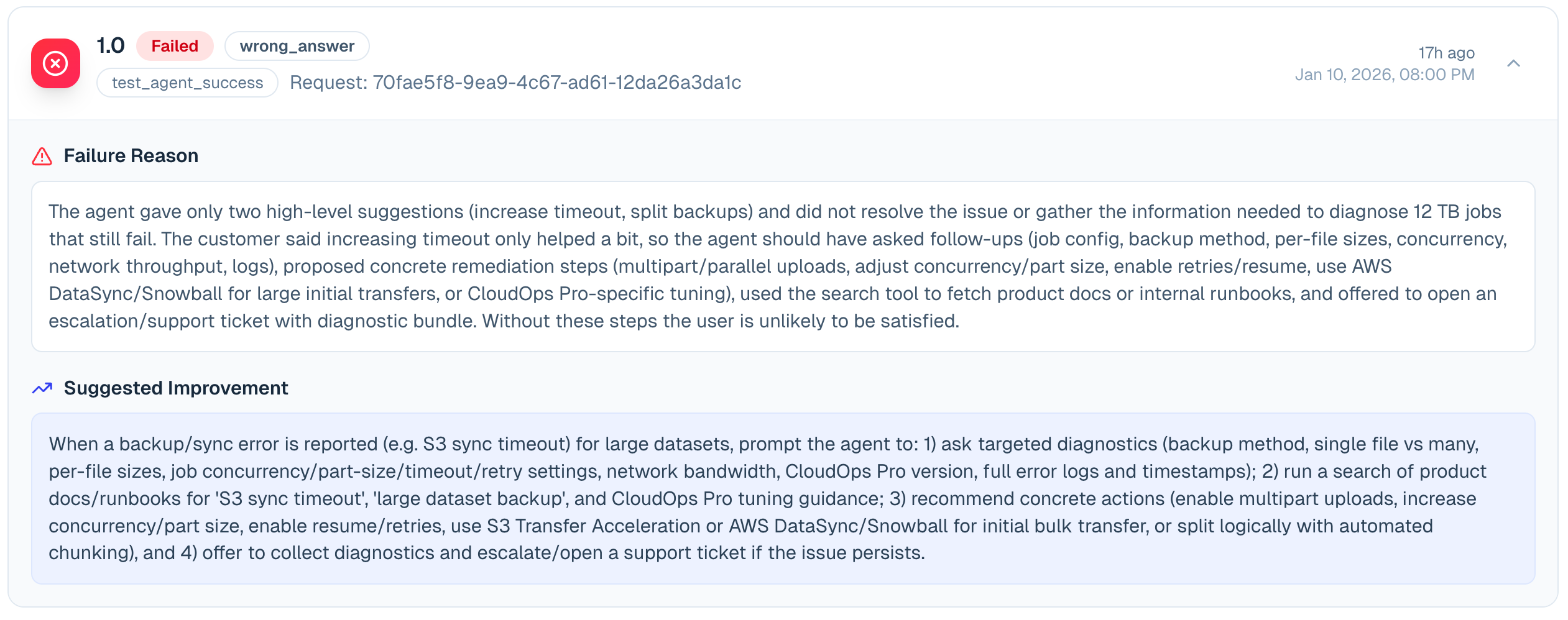
The request should be stored for session-level evaluation but should not teach profiles or playbooks. |
Useful for evaluation datasets and shadow runs that should not affect production learning. |